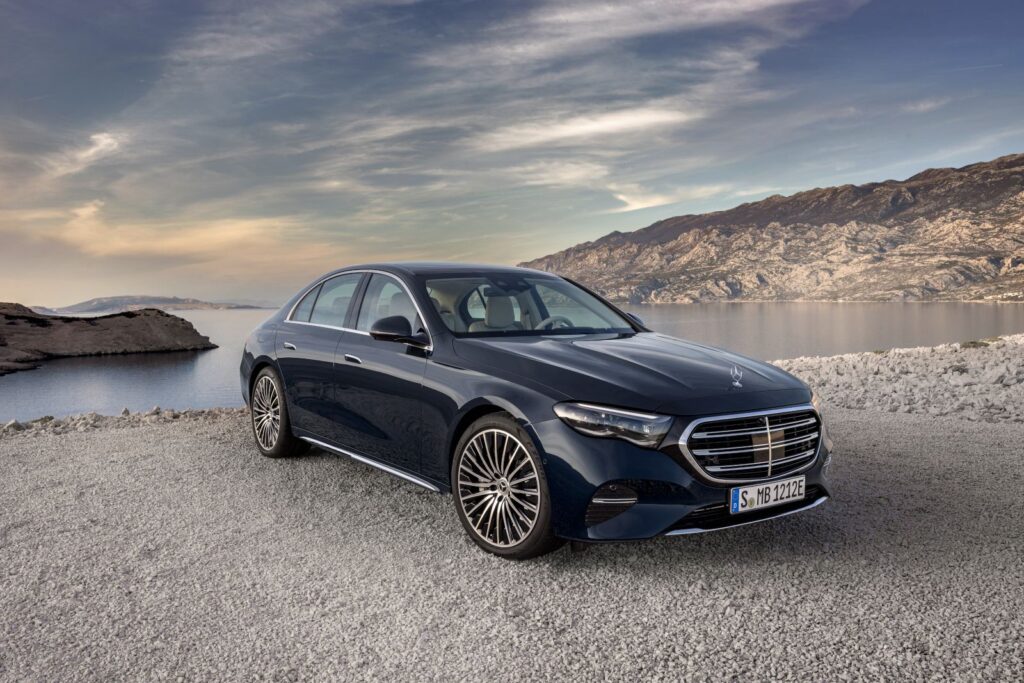
Golden Triangle Private Taxi Service
Travelling the Golden Triangle by private taxi is one of the best decisions you can make in India. You get your own car, your own driver, and you go at your own pace. No waiting for a group. No rushing through monuments. No strangers sitting next to you.
Delhi to Agra to Jaipur — three great cities, one easy road circuit, one driver who stays with you the whole way. This private chauffeur service is built for travellers who want control over their own itinerary, not a fixed group schedule.
What Is a Golden Triangle Private Chauffeur Service?
A Golden Triangle Taxi Package is a private car service where a trained chauffeur drives you from Delhi to Agra to Jaipur — and back to Delhi — all in one trip. You do not share the car with anyone. The driver is yours for the full journey. You do not share the car with anyone. The driver is yours for the full journey.
This is a flexible chauffeur-driven taxi circuit, not a fixed sightseeing tour package — your timings, your stops, and your pace, entirely controlled by you. That is what makes it completely different from every other option on the market.
Why Choose a Private Chauffeur Over a Fixed Tour Package?
Most travellers who come to India do not realise how much easier a private driver makes things — until they compare it properly.
Fixed agency tours lock you into group timings, shared coaches, and stops chosen for everyone. If you want more time at the Taj Mahal or want to skip a rushed monument visit, you cannot.
A private chauffeur-driven circuit works completely differently. You leave when you want. You stop when you want. Fatehpur Sikri on the way to Jaipur? Add it. Extra hour at Agra Fort? No problem. Your driver waits.
Beyond flexibility, a good chauffeur brings real local knowledge. He knows which parking lot at Agra to avoid, where traffic builds near Jaipur, and which highway stretch to take during delays. That knowledge saves time and stress on every leg of the journey.
From the moment you land at Delhi airport to your final hotel drop — same driver, same number, same car throughout.
Most delays happen near Mathura bypass, not highways themselves — experienced drivers reroute early. Taj Mahal crowd peaks between 9 AM–11 AM; optimal entry is 6:30–7 AM slot only if staying in Agra. Foreign travellers usually underestimate luggage space — SUVs are most booked after first-time sedan mistakes.
Get in touch and share your travel dates, group size, and preferred vehicle for a straightforward quote. Request your Golden Triangle chauffeur package quote.
Suggested Itinerary (3–5 Days) — Delhi Agra Jaipur Taxi Package
3-Day Golden Triangle (Quick Circuit)
| DAY | ROUTE | KEY STOPS |
|---|---|---|
| Day 1 | Delhi → Agra | Airport or hotel pickup → Yamuna Expressway → Agra hotel check-in → Taj Mahal sunset view |
| Day 2 | Agra → Fatehpur Sikri → Jaipur | Taj Mahal at sunrise → Agra Fort → Fatehpur Sikri en route → Jaipur arrival |
| Day 3 | Jaipur → Delhi | Amber Fort → City Palace → Hawa Mahal → NH48 return to Delhi |
4-Day Extension (Recommended)
Add a full extra day in Jaipur. Visit Nahargarh Fort, Jantar Mantar, and Johri Bazaar without any rush. Most travellers wish they had booked this version.
5-Day Relaxed Circuit
Spend Day 1 in Delhi — Qutub Minar, Humayun’s Tomb, Old Delhi. Then two nights in Agra and two nights in Jaipur. No tired days, no cramped schedules. Ideal for families and first-time visitors.
Limited vehicles available during peak season (Oct–Mar) — book early to secure your dates.
Delhi to Agra to Jaipur Route Overview
Delhi to Agra
Delhi to Agra is roughly 230 km via the Yamuna Expressway. In normal traffic, it takes about 3 to 3.5 hours.
The Yamuna Expressway is one of the best roads in India — six lanes, smooth, and well-lit. Toll charges are included in your package via FASTag.
Best time to leave: 6:00 to 6:30 in the morning. Delhi traffic gets heavy after 7 AM. Leave early and you reach Agra by 9:30 AM — right on time for the Taj Mahal.
Fog warning (October to February): Dense fog hits the Yamuna Expressway in winter mornings. An experienced driver handles it well, but leaving before 7 AM is always the safer choice.
Early departure before 6:30 AM reduces expressway fog risk by almost 40–50% in winter months (operator observation).
Agra to Jaipur
Agra to Jaipur is roughly 240 km via NH21. Expect 4 to 5 hours, including a stop at Fatehpur Sikri.
Some sections near Bharatpur are two-lane, so the drive feels slightly slower. Fatehpur Sikri is a genuine must-see — give it at least 45 minutes. Your driver parks nearby and waits.
Fatehpur Sikri stop usually adds 45–75 minutes depending on crowd flow at entry gate.
Jaipur to Delhi
Jaipur to Delhi is around 280 km via NH48. The drive takes 4 to 5 hours.
NH48 is now much improved. Try to avoid arriving in Delhi between 5 PM and 8 PM — peak traffic adds unnecessary time to your return.
Distance, Time and Highway Quick Guide
| SEGMENT | DISTANCE | HIGHWAY | AVERAGE DRIVE TIME | BEST DEPARTURE TIME |
|---|---|---|---|---|
| Delhi → Agra | ~230 km | Yamuna Expressway | 3–3.5 hrs | 6:00–6:30 AM |
| Agra → Fatehpur Sikri | ~40 km | NH21 | 45–60 min | After Agra Fort visit |
| Fatehpur Sikri → Jaipur | ~200 km | NH21 | 2.5–3 hrs | Early afternoon |
| Jaipur → Delhi | ~280 km | NH48 | 4–5 hrs | 7:00–8:00 AM |
Taj Mahal Timing — Do Not Get This Wrong
The Taj Mahal looks completely different depending on when you visit. The two best windows are sunrise and late afternoon.
Sunrise (6:00 to 8:00 AM) means fewer people, beautiful golden light, and photographs you will never forget. But to do this properly, you must stay overnight in Agra.
The smart move: Stay overnight in Agra on Day 1. Your driver will be outside the hotel at 5:30 AM. You walk in as one of the first people through the gate.
Best Time to Travel the Golden Triangle
October to March is the best time. Weather stays between 15°C and 28°C — comfortable for sightseeing and long drives.
April to June: Very hot. Agra can hit 42°C during the day. A well air-conditioned car is not a luxury here — it is essential.
July to September: Roads near Bharatpur can get waterlogged during heavy rains. Drive times become unpredictable on the Agra–Jaipur stretch.
November to February: Fog on the Yamuna Expressway is common in early mornings. Experienced drivers manage it well, but departure timing matters.
Vehicle Options for Your Private Chauffeur Service
For a couple or solo traveller, a Sedan or SUV is sufficient. For a family or group, an MPV or larger vehicle gives far more comfort on long highway drives.
Here is a quick comparison to help you choose the right vehicle for your Delhi Agra Jaipur cab service:
| VEHICLE TYPE | BEST FOR | PASSENGERS | LUGGAGE CAPACITY |
|---|---|---|---|
| Sedan (Honda City, Ciaz) | Couples, solo travellers | 2–3 | 2 large bags + 1 cabin |
| SUV / Innova Hycross | Families, small groups | 4–6 | 4 large bags |
| Kia Carnival / Mercedes V Class | Luxury groups | 6–8 | 6+ large bags |
| Force Urbania | Large groups, corporates | 9–12 | Full group luggage |
Most booking cancellations happen due to wrong vehicle selection, not price — especially for families of 4 with luggage.
Luggage tip: A sedan fits 2 large suitcases and 1 cabin bag comfortably. More than that — book an SUV rental with driver for families. Eight hours cramped on a highway is not a good experience.
Delhi Airport Pickup for Golden Triangle Trip
Your Golden Triangle journey can start directly from IGI Airport. No need to check into a Delhi hotel first if your flight lands early and you want to head straight to Agra. Full pickup details are on our Delhi airport taxi service page.
Here is exactly what happens step by step:
- Your flight lands — you receive your driver’s name and contact number
- The driver stands in the arrivals hall with a board showing your name
- You collect bags and walk straight to the car — no waiting, no confusion
- Want to stop in Delhi first? India Gate, Old Delhi, or a hotel — it gets added to the route
- Heading straight to Agra? The driver goes directly onto the Yamuna Expressway
One thing many people miss: IGI Delhi has three terminals — T1, T2, and T3. Always confirm your terminal at the time of booking. Wrong terminal is one of the most common mix-ups foreign travellers face.
If your plans extend beyond the circuit — say a one-way run to another city — see our Delhi to Agra one way cab service options.
What Is Included in Private Chauffeur Package
- One dedicated driver for the full trip
- Fuel for all legs — no hidden per-kilometre charges
- All toll charges including FASTag on Yamuna Expressway, NH21, and NH48
- Driver accommodation and night halt allowance
- Fully air-conditioned vehicle throughout
- Flexible stops at monuments, rest areas, or photo points
- Airport pickup coordination
Not included:
- Hotel bookings for passengers
- Monument entry tickets
- Local guide fees
- Passenger meals
24×7 verified chauffeur service across Delhi NCR — experienced drivers, clean and sanitized vehicles.
Common Mistakes Travellers Make
- Planning a same-day Delhi to Agra and Taj Mahal visit — Flights get delayed, traffic happens, and the Taj Mahal closes at 5 PM. Always stay overnight in Agra.
- Skipping Fatehpur Sikri — It is 40 km off the Agra–Jaipur route. It is a UNESCO World Heritage Site. There is no good reason to skip it.
- Booking the wrong vehicle size — Four people and four large suitcases in a sedan works at the airport. After eight hours on a highway, it becomes very uncomfortable.
- Travelling in peak fog hours without a plan — January and February fog on the Yamuna Expressway is worst between 4 AM and 7 AM. Leaving at 6:30 AM is the sensible call.
- Not saving the operator’s backup number — Save both the driver’s number and the operator’s contact before you leave. Highway signal can drop — you want a second option.
- Asking the driver to speed up — The Yamuna Expressway has speed cameras throughout. A driver who keeps to the limit is doing his job properly. Do not pressure him.
Safety and Highway Tips
FASTag is mandatory. All major highways on this circuit use electronic toll collection. A proper operator will have FASTag fitted — no cash fumbling at booths.
Avoid late-night driving on NH21. The two-lane sections near Bharatpur have poor visibility after dark. Plan your Agra–Jaipur leg so you arrive before sunset where possible.
Stay hydrated. Long drives in Indian heat are draining. Keep water in the car at all times, especially April to June.
Trust your driver’s rest stop suggestions. He has done this route many times. The stops he recommends are safe and worth it.
Frequently Asked Questions
Q1: What is the cost of a Golden Triangle private taxi package?
Pricing depends on vehicle type, number of days, and total kilometres covered. Key cost factors include whether you need a sedan, SUV, or premium MPV, and how many overnight legs are involved. Share your travel dates and group size for a clear, no-surprise quote.
Q2: How much does a private driver in India cost per day for the Golden Triangle?
A private driver India tour cost per day depends on the vehicle type and distance covered each day. Shorter legs like Delhi–Agra cost less per day than a full 5-day circuit. Most operators offer a fixed package price rather than a daily rate — this protects you from per-kilometre surprises. Share your itinerary for an exact daily breakdown.
Q3: What factors affect the private driver India Golden Triangle cost?
The main factors are vehicle category, trip duration, number of passengers, and luggage volume. A 3-day sedan circuit costs less than a 5-day SUV package. Tolls and fuel are typically included in a well-structured package — always confirm what is covered before booking.
Q4: How many days does a Golden Triangle tour by car take?
A minimum of 3 days covers the basics. Four days is more comfortable. Five days is ideal if you want time to explore without feeling rushed. The right duration depends on your travel style and how much time you have.
Q5: Is the Golden Triangle safe to travel by private car?
Yes — the Yamuna Expressway, NH21, and NH48 are well-maintained national highways with good lighting and regular rest areas. A professional chauffeur who knows these routes makes the journey safe and stress-free. Fog in winter and rain in monsoon season are the main things to plan around.
Q6: Can I hire a private driver for the full Golden Triangle circuit from Delhi?
Yes. One chauffeur handles your complete Delhi–Agra–Jaipur–Delhi circuit. You do not arrange separate cabs in each city. Your driver stays with you from the first pickup to the final drop.
Q7: What is the Delhi Agra Jaipur taxi package price per kilometre?
Most reputable operators offer a fixed all-inclusive price rather than a per-kilometre rate for this circuit. A fixed price means no surprise additions at the end of the trip. Always ask for a full breakdown covering fuel, tolls, and driver charges before confirming.
Q8: Can the tour start directly from Delhi airport?
Absolutely. Your driver picks you up from IGI Airport arrivals and the trip begins right there. You can head to a Delhi hotel first or drive straight towards Agra — whatever fits your schedule.
Q9: What is the best departure time for a Golden Triangle private taxi?
The best departure time is 6:00 to 6:30 AM from Delhi. This helps you avoid city traffic, reach Agra by 9:30 AM, and enter the Taj Mahal during the quietest morning hours. In winter months, leaving by 6:30 AM also helps you stay ahead of dense fog on the Yamuna Expressway.
Q10: Which is better for the Golden Triangle tour — SUV or Sedan?
Choose a sedan if you are travelling with 2 to 3 passengers and moderate luggage. Choose an SUV if your group has 4 to 6 people or you are carrying large suitcases. On a 10-hour highway drive, the extra space in an SUV makes a real difference in comfort. When in doubt, size up.
Q11: How much does a private driver cost for a Golden Triangle tour?
Cost depends on trip duration, vehicle class, and total kilometres. A 3-day sedan circuit costs less than a 5-day SUV circuit with extra sightseeing days. Share your dates for an exact quote.
Q12: Is 3 days enough for Delhi Agra Jaipur trip by car?
Yes, if your priority is covering the three main cities without extended sightseeing. For a more relaxed pace with extra time in Jaipur, the 4 or 5-day option works better.
Q13: Can I customize my Golden Triangle itinerary with a private driver?
Yes. Since the car and driver are dedicated to you, stops, halts, and route order can all be adjusted — including detours like Fatehpur Sikri or extra time in Delhi.
Q14: Do I need to pay extra for driver food and stay?
No. Driver accommodation and night halt allowance are already included in the package. Only passenger meals and hotel stays are separate.
Q15: What is the difference between a Golden Triangle taxi service and a group tour package?
A taxi service gives you a private, dedicated car and driver with a flexible schedule. A group tour package shares transport and timing with other travellers. Check our customized Golden Triangle tour packages for comparison.
Book Your Golden Triangle Private Taxi Service Now
You know the route, the timings, the vehicle options, and what to watch out for. The only thing left is to lock in your dates.
Get in touch and share your travel dates, group size, and preferred vehicle. You will get a straightforward quote — no hidden charges, no last-minute surprises.
Request your Golden Triangle chauffeur package quote — or explore our Delhi airport taxi service if your journey starts directly from IGI Airport.
All routes and timings are based on real chauffeur-operated Delhi–Agra–Jaipur circuits and may vary slightly due to traffic and season.